
Energy-Efficient Windows: Saving on Heating Costs in Colorado Winters

January 22, 2026

Colorado winters are famously harsh, with plummeting temperatures, heavy snowfall, and persistent winds that can drive heating costs sky-high. Homeowners across the state are increasingly looking for effective solutions to retain indoor warmth and reduce energy bills. One of the most impactful, yet often overlooked, strategies is the installation of energy-efficient windows. These windows are designed to minimize heat loss, block cold drafts, and maintain consistent indoor temperatures, ensuring homes remain comfortable without overburdening heating systems. In a state where winter months can extend for half the year, the value of energy-efficient windows cannot be overstated.


Beyond comfort, these windows offer long-term financial advantages. By reducing reliance on heaters and minimizing energy waste, they provide measurable savings on monthly utility bills. Moreover, energy-efficient windows contribute to environmental sustainability by lowering a household’s carbon footprint. As Colorado continues to experience extreme weather patterns, upgrading to high-performance windows becomes not just a convenience but a practical necessity. This article delves into the benefits, considerations, and expert practices for maximizing energy efficiency through window solutions, helping homeowners make informed decisions that combine comfort, cost savings, and environmental responsibility.

Understanding the Impact of Windows on Heating Costs

Heat Loss and Thermal Efficiency

Windows are critical points of energy transfer in a home. Standard or outdated windows can be responsible for a substantial portion of heat loss during winter. Heat escapes through conduction, where warm indoor air passes through glass and frames, and through convection, where cold air infiltrates gaps or poorly sealed areas. Thermal efficiency is measured by a window’s U-factor, indicating its insulation capability. Lower U-factor windows retain heat more effectively, making them essential in Colorado’s cold winters.


The Role of Air Leakage

Even the most insulated windows can underperform if they are poorly installed or have gaps. Air leakage occurs when cold air enters and warm air escapes through cracks around frames or sashes. This not only increases heating demands but can also cause drafts, uneven temperatures, and discomfort. Sealing techniques and precision installation are therefore as important as the window’s material or glazing technology.


Real-World Scenario

Consider a typical Colorado home with single-pane windows. During a January cold snap, residents may notice rooms near windows feel significantly colder than interior spaces. Heating systems work overtime to maintain comfort, resulting in higher energy bills. Replacing those windows with double- or triple-pane energy-efficient alternatives can drastically reduce this heat loss, creating a warmer indoor environment while lowering operational costs.

Features That Make Windows Energy-Efficient

  • Advanced Glazing Technologies

    Modern energy-efficient windows utilize multiple panes of glass with low-emissivity (Low-E) coatings. Low-E coatings reflect heat back into the home during winter, while still allowing sunlight to enter. Some windows feature gas fills, such as argon or krypton, between panes to further reduce heat transfer. Triple-pane windows offer superior insulation compared to double-pane models, though they come with higher upfront costs.

  • Frame Materials and Their Impact

    Window frames play a significant role in overall efficiency. Common materials include vinyl, fiberglass, wood, and composite blends. Vinyl and fiberglass are highly durable and provide excellent thermal resistance, while wood frames offer natural insulation but require maintenance. Composite frames often combine materials to optimize durability and insulation, ensuring minimal heat loss even during severe weather.

  • Smart Window Design Features

    Energy-efficient windows also incorporate design elements that enhance performance. Warm-edge spacers reduce conduction at the edges of the panes, and multi-chambered frames trap air to limit heat transfer. Tilt-in or casement designs improve seal tightness, preventing drafts and further improving thermal efficiency. These features collectively contribute to lower heating demands and long-term energy savings.

Benefits of Installing Energy-Efficient Windows

Lower Energy Bills

The most immediate benefit of energy-efficient windows is a noticeable reduction in heating costs. By preventing heat loss and maintaining stable indoor temperatures, homeowners can rely less on heaters. Studies indicate that high-performance windows can reduce annual heating expenses by 10–25%, depending on home size and insulation quality.


Enhanced Indoor Comfort

Energy-efficient windows provide more than just financial savings—they significantly improve comfort. Cold drafts, uneven temperatures, and condensation issues are minimized, creating a more stable and cozy living environment. This benefit is particularly valuable in areas of Colorado prone to sudden temperature drops and icy winds.


Environmental Sustainability

Lower energy consumption directly reduces a household’s carbon footprint. By upgrading windows, homeowners contribute to environmental conservation while still enjoying modern comfort. Sustainable practices in home design, such as energy-efficient windows, are becoming increasingly important as climate concerns intensify.


Increased Property Value

Investing in energy-efficient windows can also increase a home’s market appeal. Buyers recognize the long-term cost savings, improved comfort, and eco-conscious features, making homes with energy-efficient windows more attractive and potentially commanding higher resale prices.

Challenges and Considerations

  • Upfront Costs

    While energy-efficient windows provide long-term savings, the initial investment can be significant. Costs vary based on materials, pane configuration, and frame design. Homeowners must balance upfront expenses against projected energy savings to determine the most cost-effective solution.

  • Climate-Specific Needs

    Colorado’s climate requires windows that can withstand both extreme cold and sudden temperature fluctuations. Not all energy-efficient windows perform equally well under these conditions. Selecting windows rated for local climate extremes ensures optimal performance and durability.

  • Installation Quality

    Even the most advanced window technologies can underperform if installation is subpar. Professional installation is crucial to prevent gaps, leaks, and misalignments that compromise thermal efficiency. Homeowners should seek certified installers who understand local climate challenges and building codes.

  • Maintenance Requirements

    Different window materials require varying levels of maintenance. Wood frames, for instance, need periodic painting or sealing, while vinyl or fiberglass frames are relatively low-maintenance. Understanding material-specific requirements helps maintain efficiency over time and protects the homeowner’s investment.

Best Practices for Maximizing Efficiency

Strategic Window Placement

The orientation of windows can influence heating efficiency. South-facing windows capture sunlight during winter, naturally warming interiors, while north-facing windows may require additional insulation measures. Homeowners can optimize passive solar heating by considering window placement during new construction or renovations.


Combining Windows with Other Insulation Measures

Energy-efficient windows are most effective when combined with proper insulation and sealing throughout the home. Adding weatherstripping, caulking, and insulated doors complements the thermal performance of new windows, further reducing energy consumption.


Regular Maintenance and Inspection

Routine maintenance ensures that windows retain their efficiency over time. Cleaning glass surfaces, checking seals, inspecting frames for cracks, and repairing any damage promptly prevents heat loss and maintains optimal performance. Homeowners who neglect maintenance may experience decreased efficiency and higher heating costs.


Leveraging Technology

Some energy-efficient windows now feature smart technology, such as automated blinds or coatings that adjust to sunlight intensity. These innovations further enhance energy savings by controlling heat gain and loss dynamically, adapting to changing weather conditions without manual intervention.

Energy-Efficient Windows and Long-Term Savings

  • Cost-Benefit Analysis

    While the upfront cost of energy-efficient windows can be considerable, the long-term savings often outweigh initial expenses. Over a decade, homeowners may recover the investment through lower heating bills and reduced maintenance costs. Calculating projected savings based on local energy rates and home size helps homeowners make informed financial decisions.

  • Incentives and Rebates

    Various federal, state, and local programs offer rebates or tax incentives for installing energy-efficient windows. In Colorado, utility companies and government initiatives often provide financial support to encourage sustainable home improvements. These programs can significantly offset upfront costs, making high-performance windows more accessible.

  • Real-Life Examples

    Many Colorado homeowners have reported notable reductions in energy bills after upgrading to energy-efficient windows. In one case, a family in Boulder replaced aging single-pane windows with triple-pane Low-E windows, reducing their heating costs by nearly 20% during the winter season. Such examples illustrate the tangible financial and comfort benefits of investing in quality window solutions.

  • Long-Term Durability and Performance

    High-quality energy-efficient windows are designed to last decades with minimal degradation in performance. Selecting reputable brands and professional installation ensures consistent insulation, reduced drafts, and protection against Colorado’s extreme weather. Over time, the combination of energy savings, comfort, and durability makes these windows a highly cost-effective home improvement.

Maximizing Comfort and Savings Through Window Upgrades

Investing in energy-efficient windows is a smart, practical strategy for homeowners facing Colorado’s harsh winters. These windows significantly reduce heat loss, lower energy bills, and enhance indoor comfort, all while contributing to environmental sustainability. By carefully selecting high-performance glass, durable frames, and ensuring professional installation, homeowners can maximize energy savings and long-term durability. Strategic placement, combined with complementary insulation measures, further enhances efficiency, creating a home that is both cozy and cost-effective during freezing winter months.


For homeowners in Colorado seeking reliable solutions, Weldon Enterprises stands as a trusted authority in energy-efficient window installation and maintenance. Based in Idaho Springs, Colorado, the company brings 25 years of experience serving local residents with expert guidance and precision workmanship. We prioritizes customer satisfaction, quality materials, and professional installation to ensure every home enjoys maximum energy efficiency and comfort. Their knowledgeable team helps clients select the right windows for climate-specific needs, providing long-term savings and improved home performance. With a commitment to excellence and a proven track record, Weldon Enterprises is the go-to partner for homeowners seeking lasting solutions to reduce heating costs.

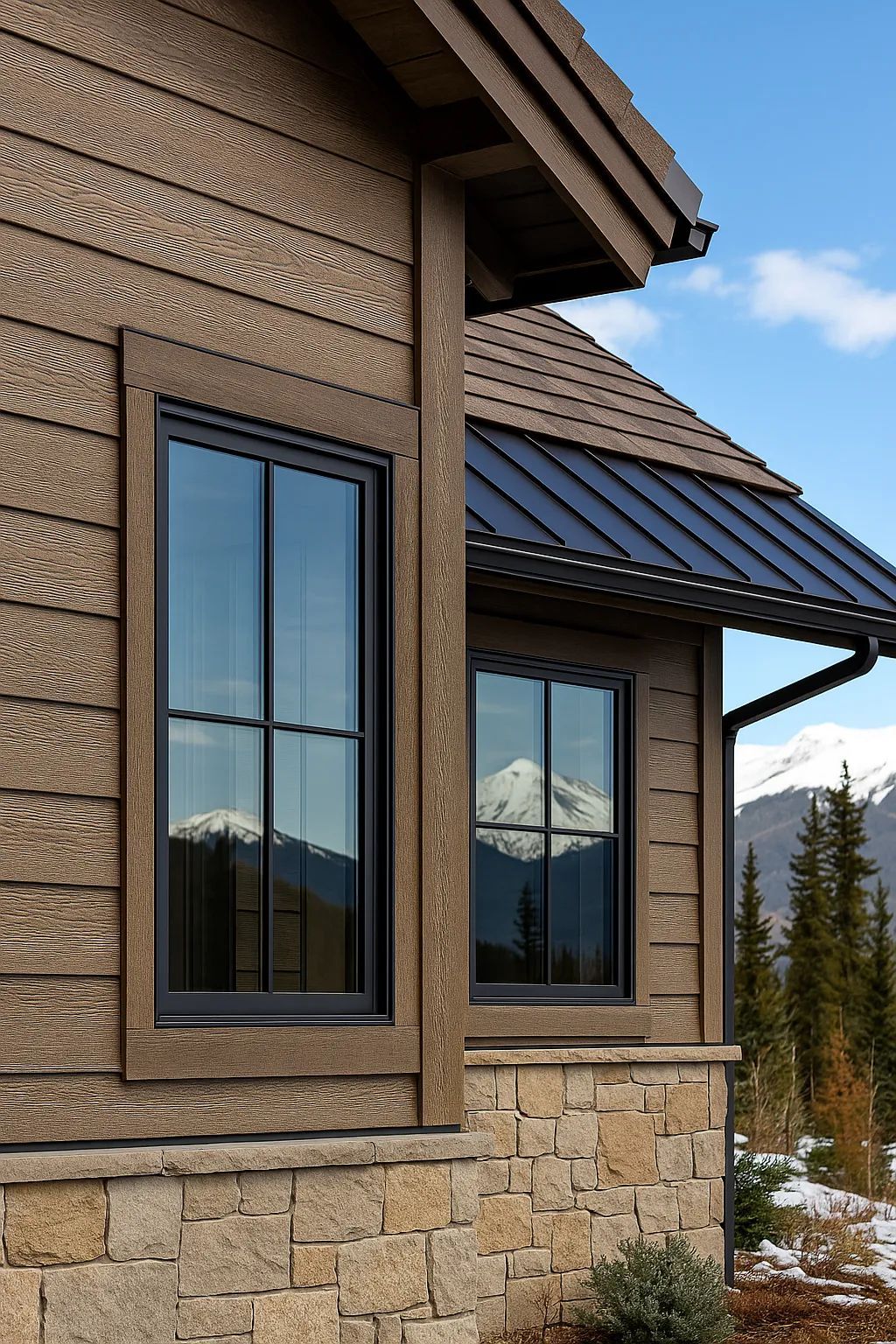
Brown-sided house with black-framed windows; snow-capped mountain reflected in the glass.
February 20, 2026
Mountain living offers an unparalleled connection with nature, and residents in Evergreen and nearby areas are fortunate to enjoy breathtaking vistas year-round. Yet, even the most stunning landscapes can be compromised by outdated or inefficient windows.
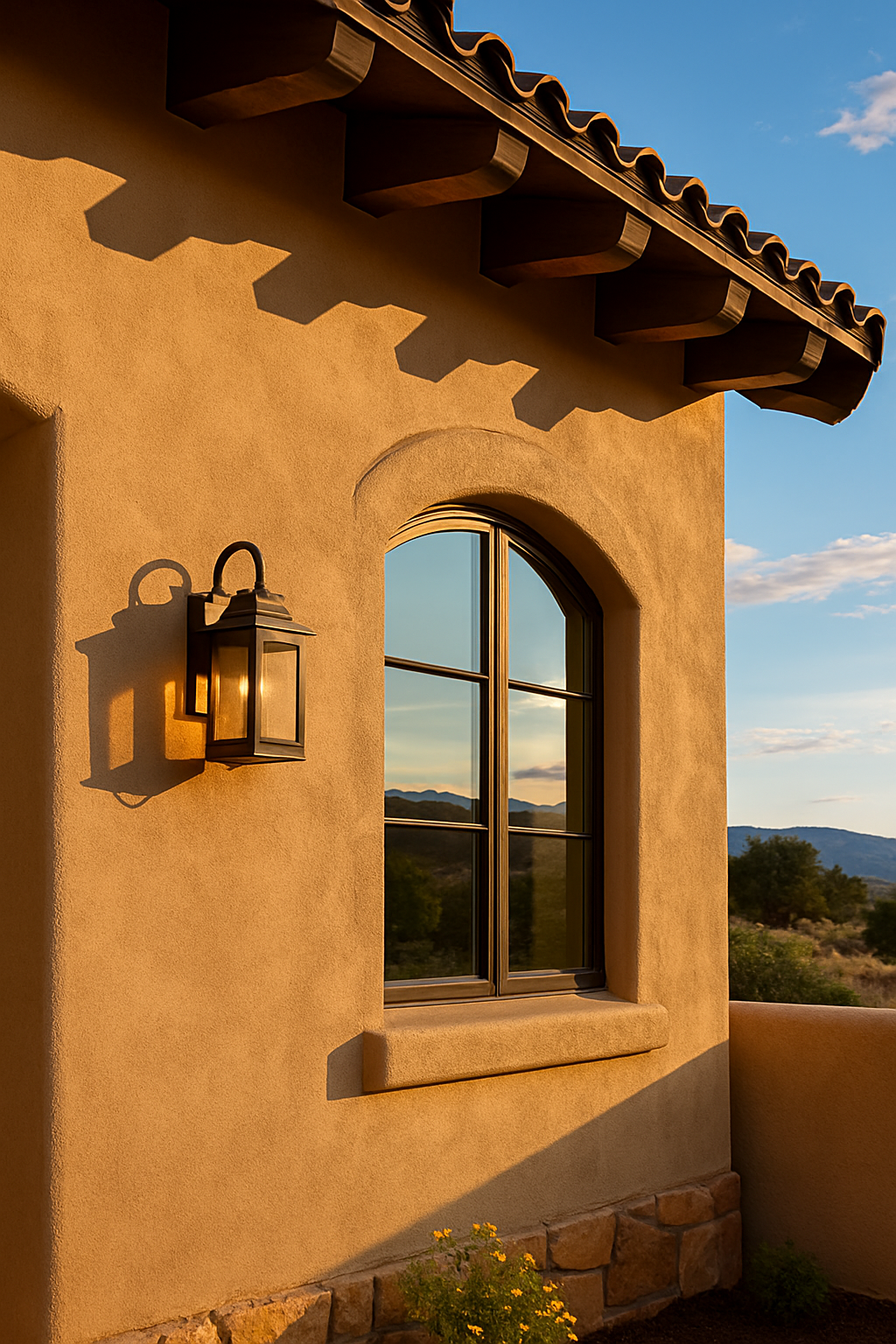
Exterior wall with arched window and lantern; golden hour sunlight.
December 23, 2025
Colorado’s climate is famously diverse and challenging, with residents experiencing everything from scorching summer heat to subzero winter temperatures. Adding to the complexity, sudden hailstorms, high winds, and fluctuating humidity levels make maintaining a comfortable and energy-efficient home a constant concern.
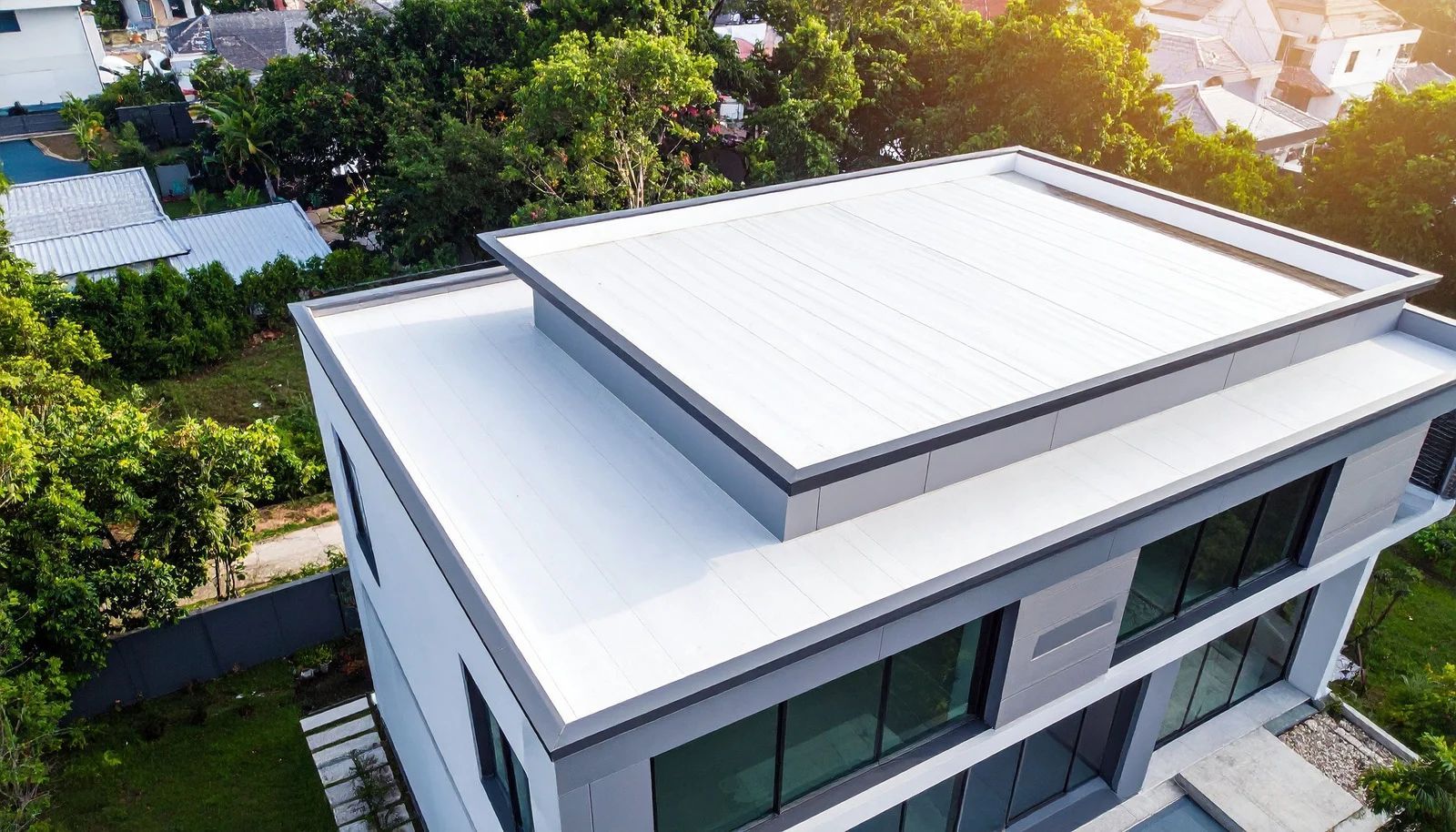
Modern two-story house with a flat white roof. Trees and other houses are in the background.
November 24, 2025
Colorado’s winters are famously harsh, with heavy snowfall and icy conditions challenging every homeowner. Proper roof preparation is critical not only to protect your home but also to prevent costly damage and safety hazards.

Show More
Brown-sided house with black-framed windows; snow-capped mountain reflected in the glass.
February 20, 2026
Mountain living offers an unparalleled connection with nature, and residents in Evergreen and nearby areas are fortunate to enjoy breathtaking vistas year-round. Yet, even the most stunning landscapes can be compromised by outdated or inefficient windows.
Exterior wall with arched window and lantern; golden hour sunlight.
December 23, 2025
Colorado’s climate is famously diverse and challenging, with residents experiencing everything from scorching summer heat to subzero winter temperatures. Adding to the complexity, sudden hailstorms, high winds, and fluctuating humidity levels make maintaining a comfortable and energy-efficient home a constant concern.
Modern two-story house with a flat white roof. Trees and other houses are in the background.
November 24, 2025
Colorado’s winters are famously harsh, with heavy snowfall and icy conditions challenging every homeowner. Proper roof preparation is critical not only to protect your home but also to prevent costly damage and safety hazards.
Show More